Coding & Computation
Reflection of Coding in the Class
In the context of science especially when exploring complex fields like microbiology, cell reproduction and biology coding and computational thinking can shift the student from a classic student listener to a creator which can help to deepen their understanding of the topic. Rather than just memorizing how bacteria reproduce, students can use coding & computation to deconstruct biological processes into repeatable rules and systems. For example, by using agent-based modeling software, a student can code the behavior of individual microbes, simulating how a single mutation might spread through a population under the pressure of antibiotics and even extend to account microbial resistance. This moves the lesson beyond static diagrams and into a dynamic activity where students can test what if scenarios. The goal of coding in science is to use algorithms as a lens to see the patterns we observe in nature ensuring that the digital tool serves the scientific inquiry, not the other way around.

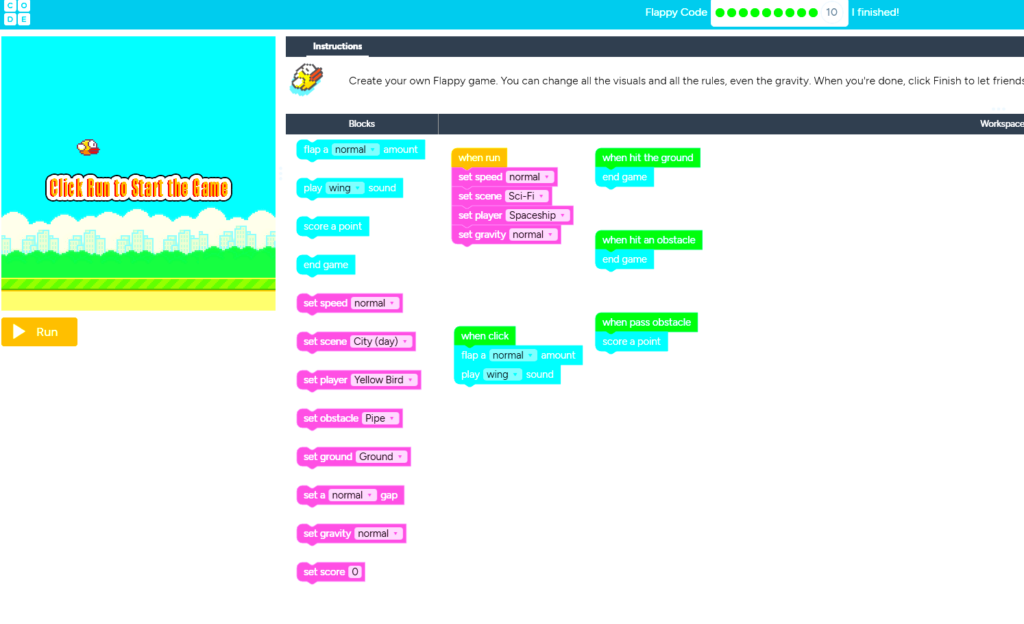
Reflection on Gaming in the Classroom
Gaming offers a unique advantage compared to other activities and assignments in science by providing a safe failure zone where the stakes of experimentation are low but the engagement is high. When students engage with simulations or strategy games centered on epidemiology or molecular biology, they are practicing systems thinking which is what we want to develop when observing how both the body and environment work. They aren’t just learning facts, but also navigating a web of cause and effect where a single choice ripples through an entire ecosystem. This mirrors the complexity of real world service learning projects, where community health or environmental issues are never isolated problems. The critical challenge for us as educators is to move away from gamification that relies on simple rewards like points for correct answers and toward game-based learning and creating that prioritizes agency and exploration.